
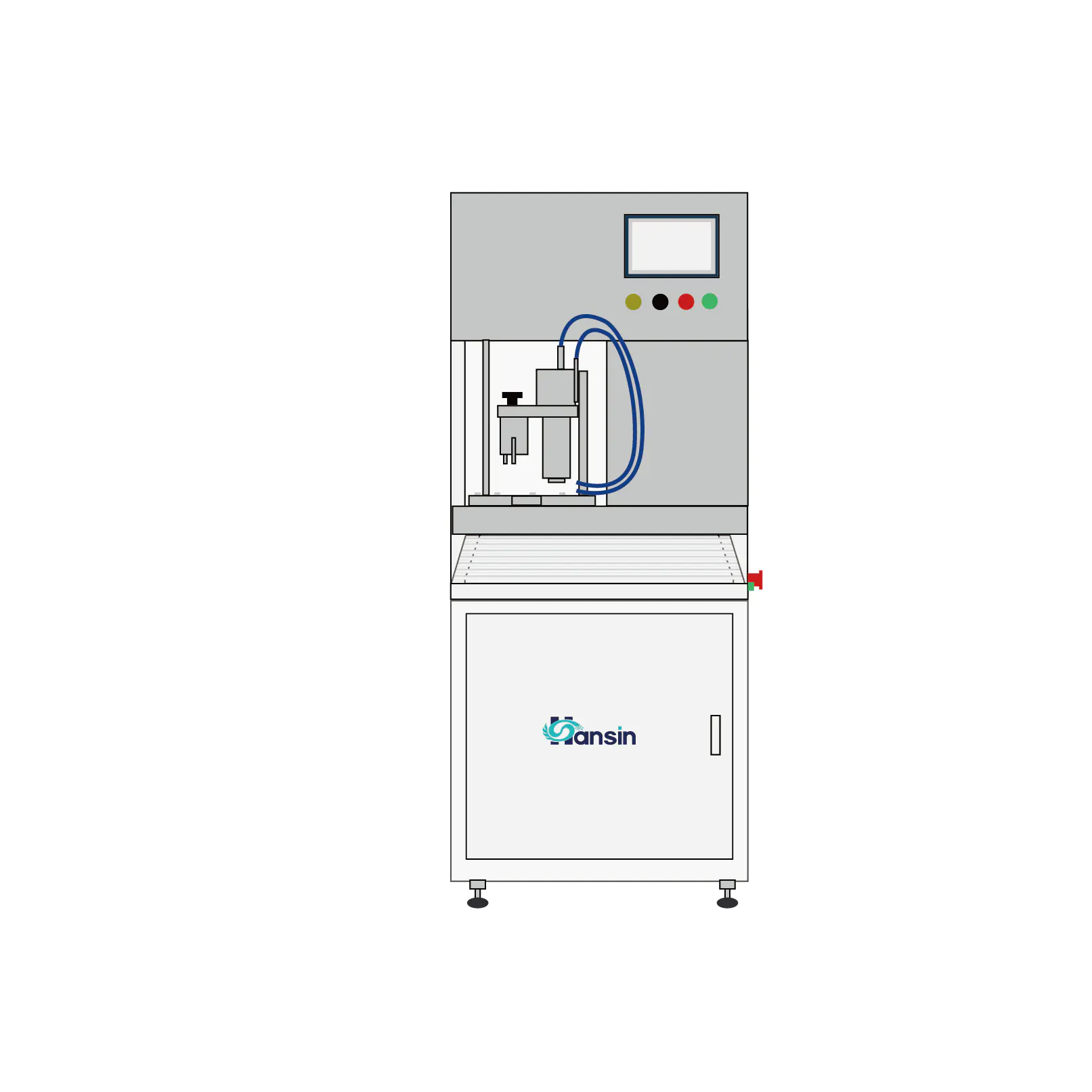
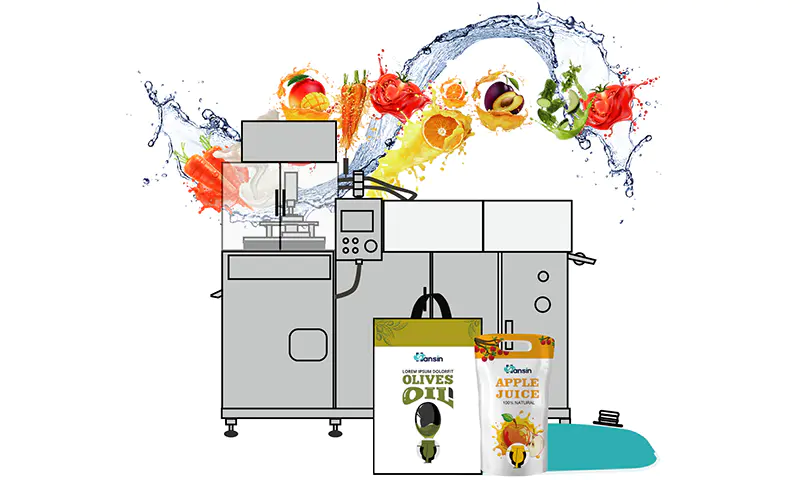
Hansin builds bag in box filling machines for 1–25 L bags, in semi-automatic and fully automatic versions. Aseptic models fill juice, dairy and other sterile products, and non-aseptic models handle beverages, sauces and other liquids.
Liquid-contact parts are SUS316L stainless steel, and filling is metered by flowmeter or weight to suit the product. Because we also make the bags and spouts, we match the filler to the packaging you run.
FILLER FEATURE
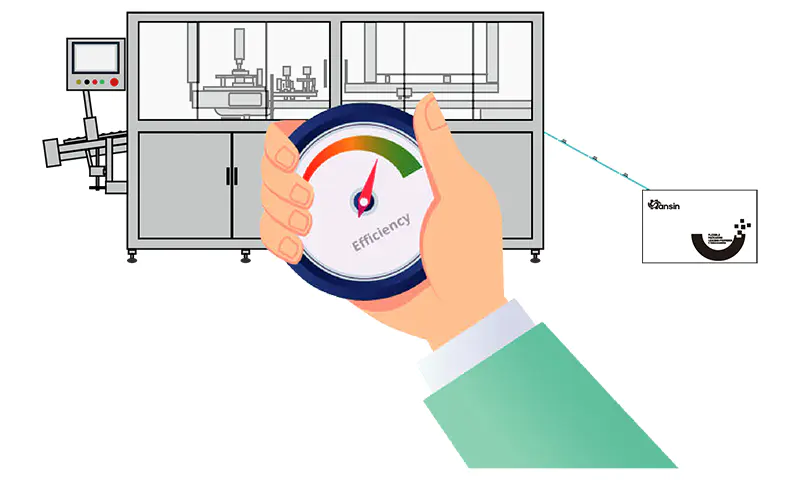
We adopt different weighing methods by meeting product needs.
The purpose is to maximize production efficiency and achieve the maximum output per unit time on the basis of accurate measurement.
FILLER FEATURE
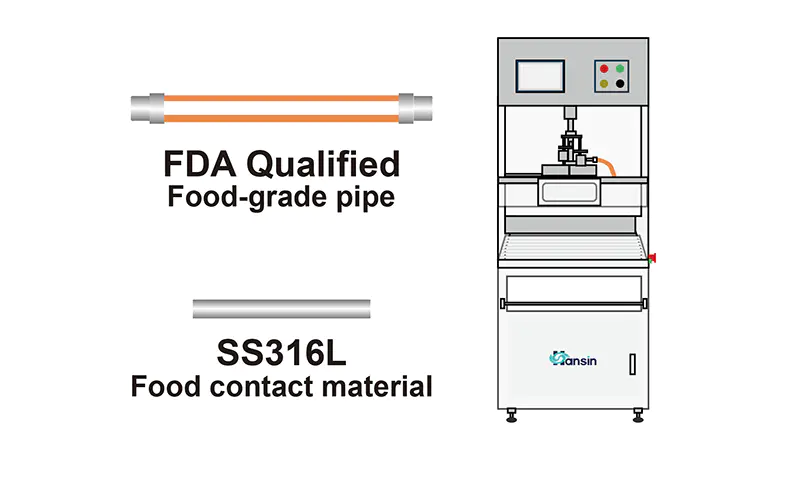
Our equipment is built with premium materials to ensure hygiene and durability. The base structure is made from SUS304 stainless steel, while all parts that come into contact with liquid use stainless steel 316L for added corrosion resistance. The filling hose is FDA-certified, and other components, including rubber and glass, are manufactured from sanitary-grade materials, meeting high industry standards for safety and cleanliness.
FILLER FEATURE
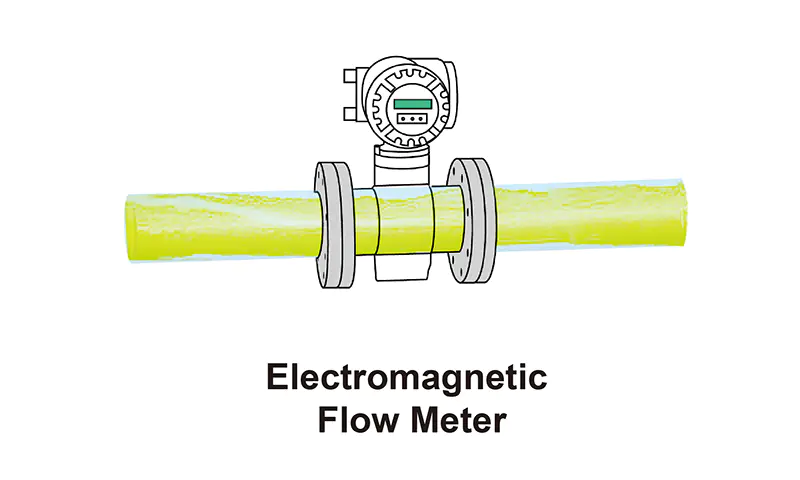
We usually use electromagnetic flowmeter, turbine flowmeter or weighing. This is determined based on the characteristics of the product. We choose this device of the first-line brand to ensure filling accuracy.
FILLER FEATURE
From liquid food and beverages to liquid chemicals, our fillers cover a wide range of products. They accept the common fitments used in these applications.
FILLER FEATURE
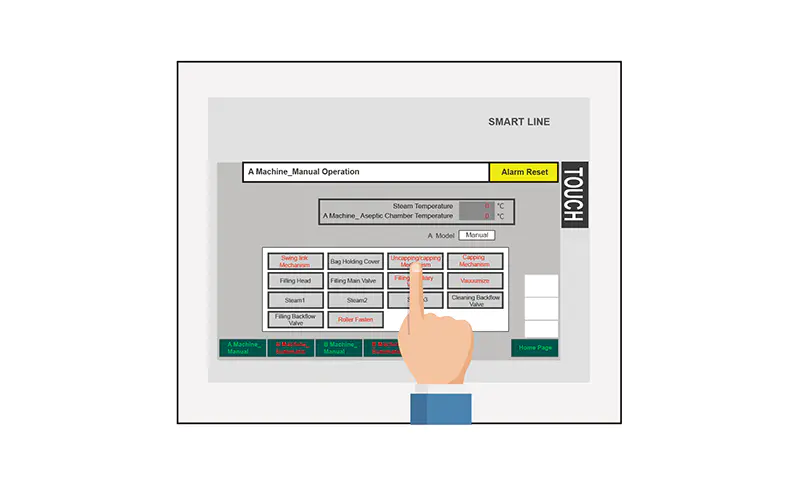
Equipped with advanced sensors and control systems, we do NO FILL NO GO. The touch screen control panel is simple and intuitive, operating friendly for operators. By having those, we can always easily tell the filler situation.
FILLER FEATURE
Aseptic models uncap, fill and recap the bag inside a sterile chamber. They suit tea, juice, NFC juice, dairy, concentrates and other products that need sterile filling.

| Model | Type | Bag size | Typical products |
|---|---|---|---|
| HSNF-1 | Semi-auto, non-aseptic | 2–25 L, 1″ or 2″ spout | General liquids |
| HSNFA-1 | Fully auto, non-aseptic | 3–25 L web bags | High-output lines |
| HSAF-1 | Semi-auto, aseptic | 1–25 L | Tea, juice, NFC, dairy |
| HSAFA-1 | Fully auto, aseptic | Web bags | Juice, concentrates, jam, dairy |
Fully automatic models load, uncap, fill, recap and separate web bags without manual handling. Aseptic models uncap, fill and recap inside a sterile chamber.
It removes the cap from the bag spout, fills a measured volume of liquid, and puts the cap back. Bags are then packed into cartons.
Products sold shelf-stable without preservatives, such as NFC juice and dairy, need aseptic filling. Many beverages, sauces and chemicals can use a non-aseptic filler.
Semi-automatic fillers suit small and medium runs with an operator at each bag. Fully automatic models feed web bags continuously and cut labor on high-volume lines.
Our fillers cover 1–25 L bags, and the semi-automatic HSNF-1 takes 1″ and 2″ spouts. Tell us your fitment, and we will confirm compatibility.
By electromagnetic flowmeter, turbine flowmeter or weighing, chosen to suit the product.
Yes. We make bag in box packaging and spouts in-house, so bag, fitment and filler come from one supplier.
Founded in 2006, HANSIN is a national-grade High-Tech enterprise specializing in R&D, manufacturing, and sales, focusing on medium-large China Flexible Liquid Packaging and Flexible Liquid Packaging. We can produce flexible packaging bags with different applications and various barriers, products’ sizes range from 1L to 220L to 1500L, and include aseptic bags, bag-in-box, IBC liners, and FIBC liners, which are widely used for storage and transport with food and non-food.


Awarded the most complete industrial qualification And quality certifications in china


Start with the product: sterile products such as NFC juice and dairy need an aseptic filler, while many beverages and sauces can use a non-aseptic machine. Then match output to your volume, from semi-automatic single-head fillers to fully automatic web-bag lines.
Our guides compare manual, semi-automatic and automatic fillers and explain aseptic filler sterilization and validation.